A Step-by-Step Guide to Going Paperless in Construction
 27 May 2025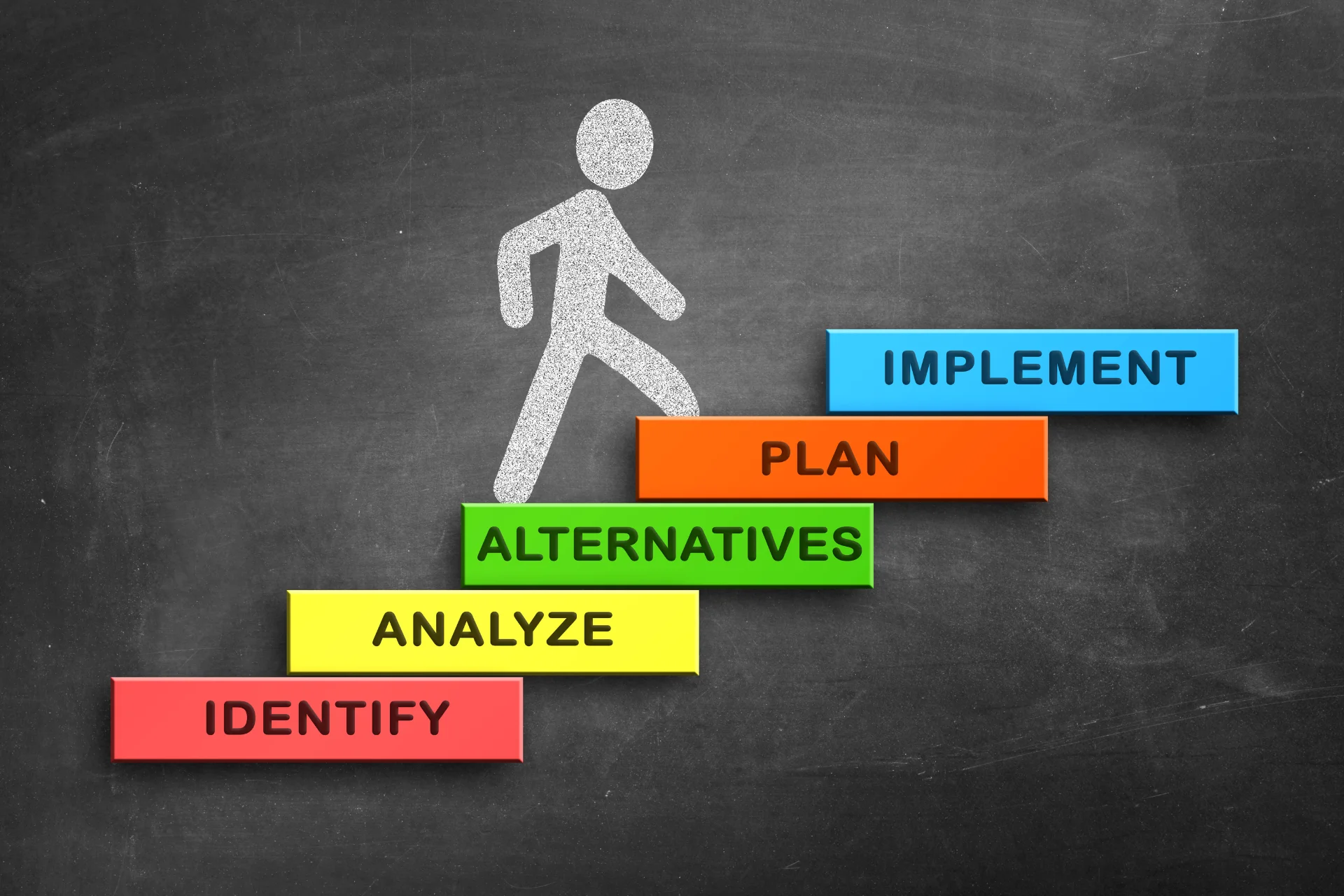
Stacks of drawings. Clipboards. Site registers. Manual checklists. Construction sites have long been dominated by paper — and for good reason. It was familiar, tangible, and didn’t require logins or batteries.
But today, paper is slowing projects down. Going paperless isn’t just about going green. It’s about increasing efficiency, reducing risk, and modernizing how your teams work.
Why Go Paperless?
- Paper gets lost or damaged
- Version control is nearly impossible
- Data is siloed and non-searchable
- Delays increase due to back-and-forth approvals
Digital tools eliminate these inefficiencies and bring construction operations into the 21st century.
How to Make the Shift (Step-by-Step)
- Step 1: Audit Your Existing Processes - Identify what’s currently being done on paper — site checklists, safety reports,daily logs, material requests, approvals, etc. This helps prioritize what to digitize first.
- Step 2: Choose a Construction-Ready Platform - Generic tools like Google Drive and Dropbox can help, but purpose-built platforms like Aedrix simplify site-specific needs — such as drawing approvals, manpower logs, or real-time photo documentation.
- Step 3: Train the Team - Paper is comfortable. Digital tools can feel foreign. Ease the transition by training teams with simple use cases first — like uploading photos or filling digital checklists.
- Step 4: Set Digital Protocols - Establish standards: where to upload documents, how to name files, who approves what, and what data needs to be captured on-site.
- Step 5: Phase Out Paper Gradually - Start with one team or site. Monitor feedback. Once processes run smoothly, expand across projects.
Where Tools Like Aedrix Help
One of the biggest barriers to going paperless is tool overload — too many platforms, apps, and logins. Aedrix simplifies this by offering one centralized ecosystem that includes document management, site tracking, team coordination, and more.
Final Takeaway
Going paperless isn’t just a tech trend — it’s a productivity strategy. And while the transition may feel daunting, the results are undeniable: faster decisions, better tracking, and more streamlined collaboration.
The construction industry is evolving. The only question is — will your operations evolve with it?